How We Farm
From plough to market — our step-by-step approach to large-scale agriculture in Tonkolili District.
A Hands-On Approach to Farming
Our farming operations are led by Farm Manager Alusine I. Koroma, who oversees all day-to-day activities on the ground. Land preparation is carried out using hired tractors, while planting, weeding, and harvesting rely on indigenous labour from the local community. Top management provides strategic oversight, budget allocation, and quality control to ensure every season meets its targets.
Six Steps from Soil to Market
Land Preparation
The farming cycle begins with ploughing all 52 acres using hired tractors. This critical first step breaks up compacted soil, turns over organic matter, and creates the foundation for a productive growing season. The scale of our operation requires mechanised preparation to ensure all plots are ready within the optimal planting window.
Harrowing
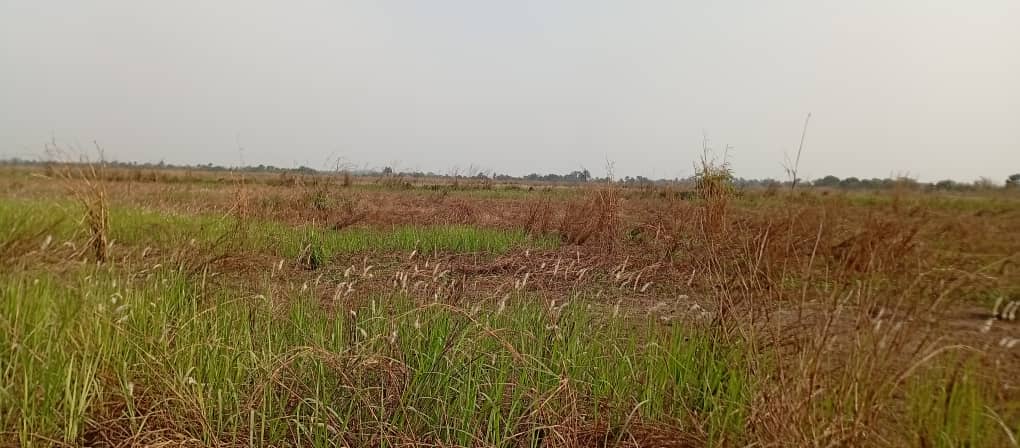
Following ploughing, each plot undergoes chain and seed harrowing specific to its designated crop. This refines the soil texture, breaks down large clods, and creates an even seedbed. Rice plots, groundnut plots, and pigeon pea plots each receive tailored harrowing treatment suited to their planting method.
Planting
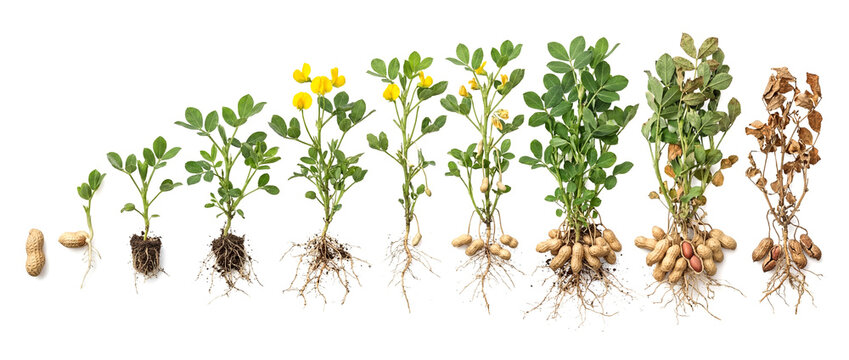
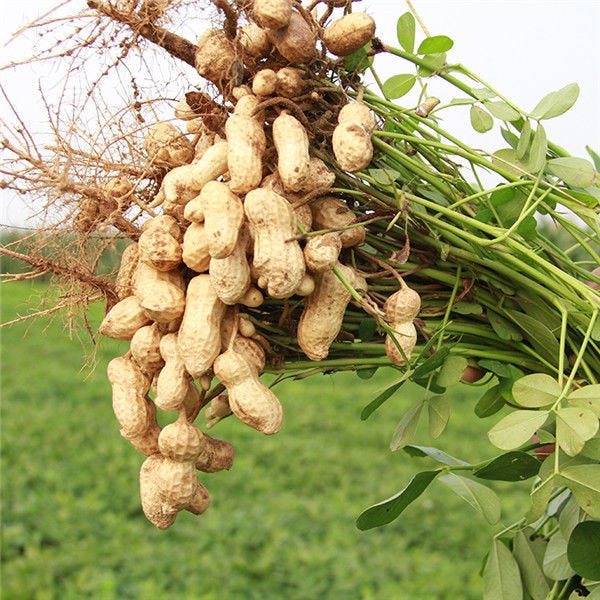
Planting methods vary by crop. Rice seed is broadcast across the prepared plots — a fast, efficient method for grain crops. Groundnut and pigeon pea, however, are cup-planted: seeds are carefully placed into individual holes by hand. This labour-intensive approach requires 150 mandays for groundnut alone, creating significant employment for the community.
Weed & Pest Management
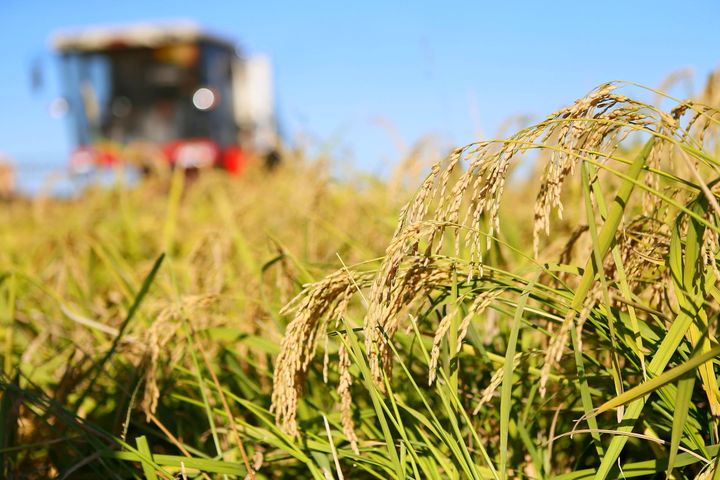
Weed management runs throughout the growing season using both selective and non-selective herbicide spraying. Timing is critical — early intervention prevents weeds from competing with young crops for nutrients, water, and sunlight. Our approach is targeted and efficient, minimising chemical use while maximising crop protection.
Fertilisation
Forty-two bags of fertiliser are applied specifically to the rice plots during the critical growth phase in September. This targeted application ensures the high-yield Rock 34 Hybrid variety reaches its full production potential. Groundnut and pigeon pea, being legumes, naturally fix nitrogen in the soil and require less supplemental nutrition.
Harvesting & Distribution
Harvest begins in November with manual labour from the local community. Crops are carefully harvested, bagged, and prepared for transportation to market. This final stage completes the farm-to-market cycle, converting months of work into food for Sierra Leone and income for the enterprise and its workers.
FY2026 Cultivation Budget
A summary of projected costs across our three crop programmes for the 2026 farming season.
Rice Cultivation
17 acres · Rock 34 Hybrid
Groundnut Cultivation
17 acres · 4,200 cups of seed
Pigeon Pea Cultivation
17 acres · 1,876 cups of seed
Grand Total — FY2026
Meet the People Behind the Farm
From visionary leadership to hands-on farm management, meet the team driving our mission forward.
Our Leadership