Our Crops
Three staple crops across 52 acres — selected for yield, nutrition, and national impact.
 17 Acres
Rice
Rock 34 Hybrid Variety
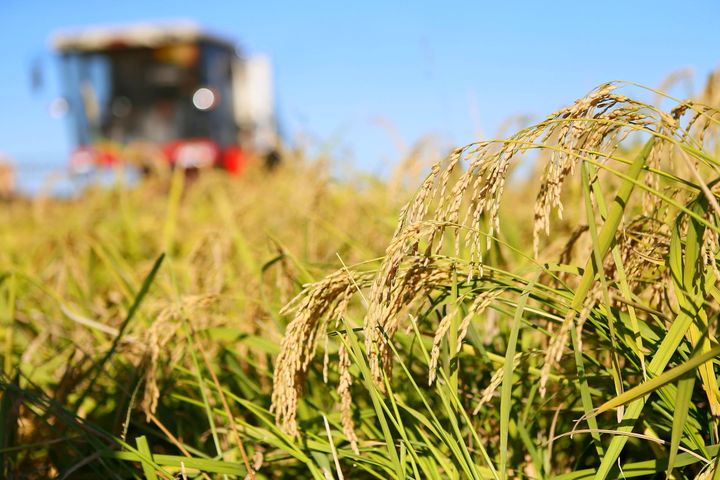
Rice is Sierra Leone's most important staple food, yet the country imports the vast majority of its supply. Our 17-acre rice programme directly addresses this deficit by cultivating the high-yield Rock 34 Hybrid variety — selected for its resilience, productivity, and suitability to our soil and climate conditions.
Each plot requires 13 bags of seed, carefully broadcast during the June to July planting window. The crop is nurtured through targeted weed management and receives 42 bags of fertiliser during the September growing phase. Harvesting begins in November, with manual labour from the local community ensuring every grain is accounted for.
Our rice production isn't just farming — it's a statement that Sierra Leone can grow what it eats.
Full Rice Farming Guide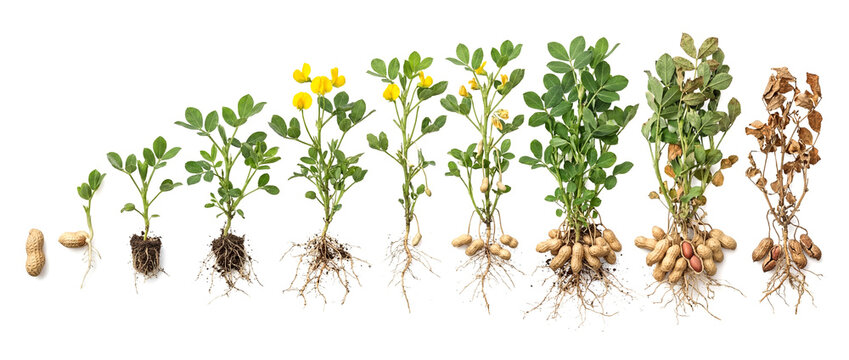 17 Acres
Groundnut
Key Income & Nutrition Crop
Groundnut is both a critical income generator and a nutritional powerhouse. Across 17 acres, our groundnut programme utilises 4,200 cups of seed, planted through a labour-intensive process that employs 150 mandays of indigenous labour — making it one of our most significant contributors to local employment.
Unlike rice, which is broadcast-planted, groundnut requires cup-planting — a careful, manual process where seeds are individually placed into prepared soil. This hands-on approach creates more jobs per acre while ensuring optimal plant spacing and yield.
After harvesting, the groundnuts are bagged and transported to market, completing a cycle that transforms community labour into both food and income for Tonkolili District.
Full Groundnut Production Guide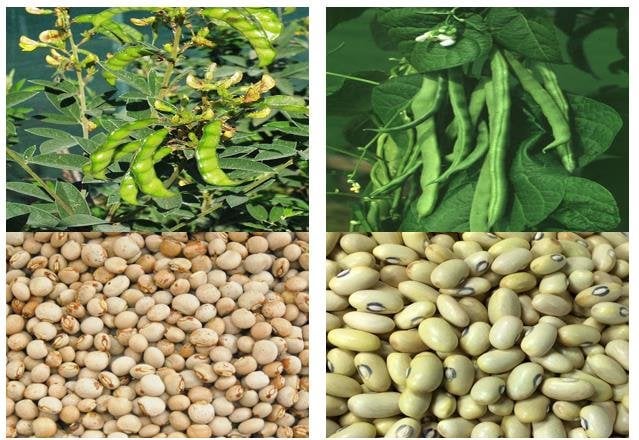 17 Acres
Cajanus Cajan
Pigeon Pea — Nutritious Legume
Cajanus Cajan, commonly known as pigeon pea, is a highly nutritious legume that serves a dual purpose on our farm. As a food crop, it provides essential protein and nutrients to local communities. As a legume, it naturally enriches the soil with nitrogen, improving fertility for subsequent growing seasons.
Cultivated across 17 acres using 1,876 cups of seed, our pigeon pea programme follows the same careful cup-planting method as groundnut. The crop goes through a complete cycle of planting, weeding, and harvesting — each stage creating employment for community members.
Pigeon pea is a cornerstone of sustainable agriculture: it feeds people, nourishes the soil, and generates income — all at once.
Full Pigeon Pea Farming GuideFarming Calendar
Our farming operations follow a carefully planned seasonal calendar from land preparation through to market distribution.
See How We Bring It All Together
From land preparation to harvest, explore our step-by-step farming process.
How We Farm