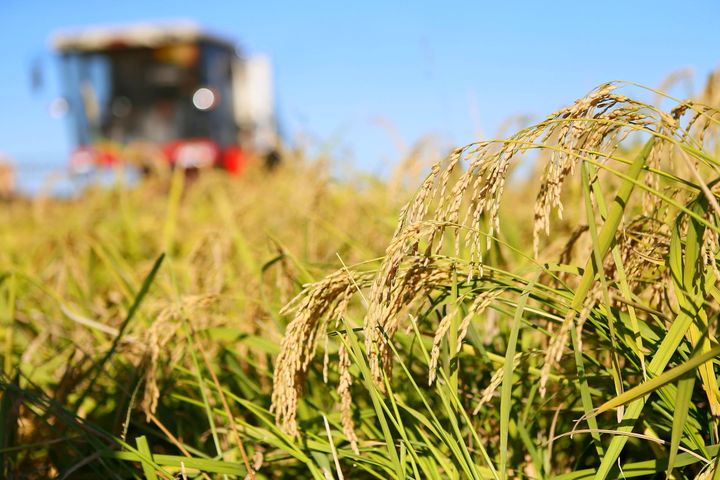
Rice (Rock 34 Hybrid)
High-yield hybrid rice variety cultivated to address Sierra Leone's staple food deficit and reduce costly rice imports.
Learn MoreLarge-scale agriculture in Sierra Leone with rice, groundnut and pigeon pea production driving food security and reducing importation.
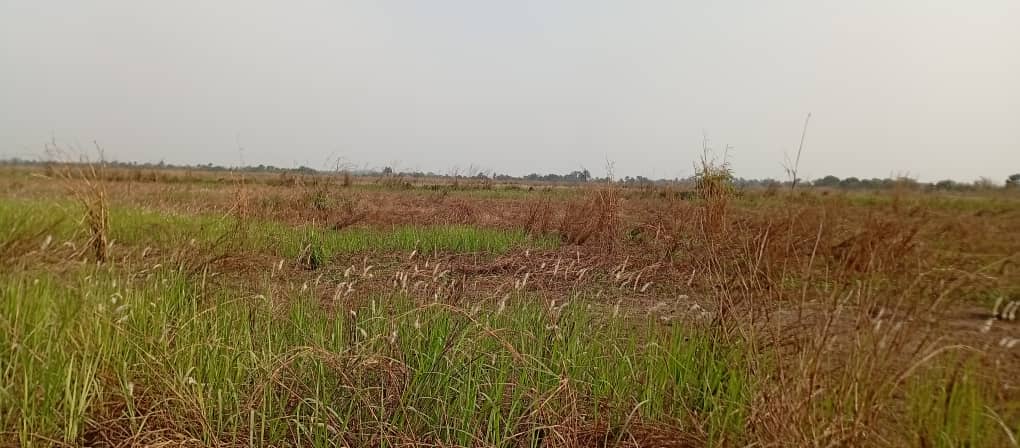
Foday Senesie Kabba Agricultural Enterprise was founded with a single, powerful conviction: that Sierra Leone can feed itself. Based in Mamuntha Mayosoh Village, Tonkolili District, we cultivate 52 acres of farmland dedicated to growing the crops our nation needs most.
Through large-scale production of rice, groundnut, and pigeon pea, we are working to reduce Sierra Leone's dependence on imported food, strengthen local food security, and create meaningful employment for the communities we serve.
Three staple crops cultivated across 52 acres, selected for their nutritional value, market demand, and contribution to national food security.
High-yield hybrid rice variety cultivated to address Sierra Leone's staple food deficit and reduce costly rice imports.
Learn More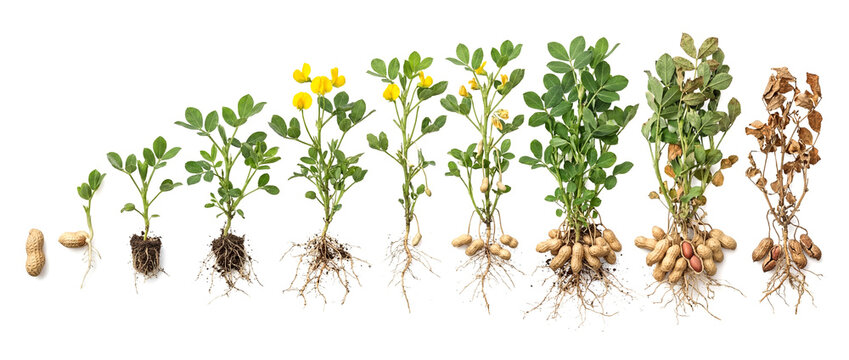
A vital income and nutrition crop. Our groundnut programme employs 150 mandays of labour per season, creating real local employment.
Learn More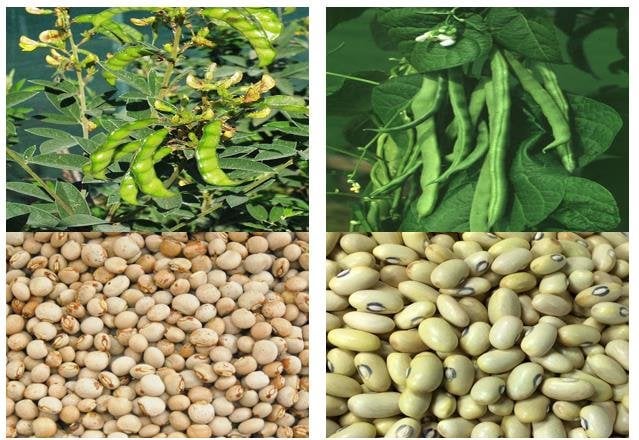
A highly nutritious legume that enriches soil health while providing protein-rich food for local communities.
Learn MoreGrowing the rice and staples Sierra Leone currently imports, strengthening the domestic food supply chain.
Large-scale, sustainable agriculture ensuring nutritious food reaches communities throughout Tonkolili District.
Creating meaningful employment for indigenous communities through every stage of the farming cycle.
Sierra Leone is one of West Africa's most agriculturally promising nations. With fertile soils, abundant rainfall, and a tropical climate that supports year-round growing conditions, the country has the natural resources to become self-sufficient in food production. Yet despite this potential, agriculture in Sierra Leone remains largely underdeveloped — and the country continues to import significant quantities of staple food, particularly rice.
This is the challenge that Kabba Agricultural Enterprise was created to address. Based in Tonkolili District, one of the most fertile agricultural regions in Sierra Leone's Northern Province, we operate a 52-acre commercial farming operation producing three essential crops: rice, groundnut, and pigeon pea.
Food security remains one of Sierra Leone's most pressing issues. The population depends heavily on rice as a dietary staple, yet domestic production falls far short of national demand — draining foreign exchange, exposing communities to global price volatility, and leaving rural families vulnerable.
Every kilogram of rice, groundnut, or pigeon pea grown domestically is a kilogram that does not need to be imported. Our 17 acres of Rock 34 Hybrid rice directly contribute to closing the national rice deficit.
Agriculture employs approximately 60–70% of Sierra Leone's population, making it the backbone of the national economy. Farming supports the economy through food production, employment creation, import substitution, and rural market development.
Our operations create hundreds of mandays of employment each growing season. Our groundnut programme alone requires 150 mandays of labour for cup-planting — work performed by indigenous community members whose wages circulate through local markets.
Our three-crop system is designed with sustainability at its core. Pigeon pea, as a nitrogen-fixing legume, restores soil fertility naturally — reducing the need for synthetic fertilisers and improving conditions for subsequent rice and groundnut rotations.
We follow a structured farming process from mechanised land clearing through to careful seed selection, precision planting, crop management, and systematic harvesting — each stage managed to maximise yield while preserving long-term productivity.
The Sierra Leone government has made agriculture a national development priority. Government agriculture initiatives including the National Agricultural Transformation Programme provide subsidised inputs, extension services, and mechanisation support to farmers.
Our leadership team includes the District Agricultural Officer for Tonkolili District, ensuring our operations align with national food security objectives and benefit from district-level guidance.
Despite the challenges facing agriculture in Sierra Leone, the opportunities are substantial — millions of hectares of underutilised arable land, guaranteed domestic demand for staple crops, a young workforce, and increasing international interest. For investors and development partners, agricultural development in Sierra Leone is a sector where commercial viability and social impact converge.
Read the Full Guide to Agriculture in Sierra LeoneExplore articles on agriculture, food security, and the opportunities shaping Sierra Leone's farming sector.
Why food security matters and how domestic agriculture is the key to reducing import dependency and feeding communities.
Read ArticleAn honest look at the obstacles facing farmers and the opportunities that make agriculture a sector worth investing in.
Read ArticleA practical guide to the most productive and profitable crops for farming in Sierra Leone's tropical climate.
Read ArticleConnect with us to discuss partnerships, investment opportunities, or to learn about our farming operations.
Get In Touch