The Crop That Feeds People and Nourishes the Land
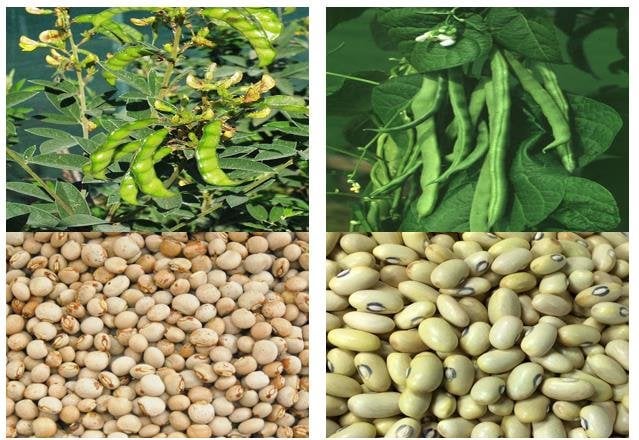
Pigeon pea — known scientifically as Cajanus Cajan — is one of the most valuable yet underappreciated crops in tropical agriculture. As a legume, it occupies a unique position in farming: it produces high-protein food for human consumption while simultaneously fixing atmospheric nitrogen in the soil, restoring fertility for future growing seasons. In a country like Sierra Leone, where both nutrition and soil health are pressing concerns, pigeon pea is a crop that addresses multiple challenges at once.
Kabba Agricultural Enterprise dedicates 17 acres of our 52-acre farm in Tonkolili District to pigeon pea cultivation. Our programme uses 1,876 cups of seed per season and follows the same careful cup-planting method that makes our groundnut programme such an effective employer of local labour.
Why Pigeon Pea Is Essential for Sustainable Agriculture
The concept of sustainable farming is straightforward: grow food in a way that maintains or improves the land's ability to produce food in the future. Pigeon pea is one of the most effective tools available for achieving this.
As a nitrogen-fixing legume, pigeon pea hosts specialised bacteria (Rhizobium) in its root nodules that convert atmospheric nitrogen into a plant-available form. When the crop is harvested, the nitrogen deposited in the soil remains — effectively providing a natural fertiliser boost for whatever crop follows. This is why pigeon pea is so valuable in rotation with rice and groundnut: it replenishes the nutrients that cereal crops consume.
In a context where synthetic fertilisers are expensive and often difficult to source in rural Sierra Leone, nitrogen fixation through legume cultivation is not just good practice — it is an economic and practical necessity. Pigeon pea reduces input costs while maintaining soil productivity, a combination that makes farming more viable for enterprises of all sizes.
Nutritional Value and Food Security
Beyond its agricultural benefits, pigeon pea is a powerhouse of human nutrition. The dried peas contain approximately 20–22% protein, along with significant amounts of dietary fibre, iron, phosphorus, and B vitamins. In Sierra Leone, where the diet is heavily rice-based and protein deficiency is a real concern — particularly for children and pregnant women — pigeon pea provides an affordable, locally grown source of essential nutrition.
Pigeon pea is prepared in a variety of ways across West Africa and beyond. It is cooked into stews and soups, ground into flour for baking, and used as a protein-rich complement to rice-based meals. Its versatility in the kitchen, combined with its long shelf life when dried, makes it an ideal crop for food security in regions where fresh produce may be seasonal.
Our Pigeon Pea Farming Methods
Pigeon pea cultivation at Kabba Agricultural Enterprise follows a structured seasonal approach that mirrors our broader farming process:
Land Preparation (April – May) — Mechanised clearing and ploughing prepares the 17-acre plot. Pigeon pea grows well in a range of soil types, but good land preparation improves germination and early growth.
Cup-Planting (June – July) — Using the same manual cup-planting method as groundnut, 1,876 cups of pigeon pea seed are carefully placed by community workers during the early rainy season.
Crop Management (August – October) — Weeding is carried out manually to reduce competition from unwanted plants. Pigeon pea is relatively drought-tolerant once established, but weed management remains important for optimal yield.
Harvesting (November – January) — Pigeon pea has a longer growing season than rice. Pods are harvested as they mature, typically beginning in November and continuing into the early dry season. The peas are separated, dried, and bagged.
Soil Benefit — After harvest, the nitrogen fixed by the pigeon pea root system remains in the soil, enriching it for the next growing season's rice or groundnut rotation.
Economic Benefits
Pigeon pea generates economic value through several channels. As a food crop, it provides a product with reliable local demand. As an employment creator, its cup-planting and manual harvesting operations generate meaningful seasonal work for community members in Tonkolili District.
There is also growing international interest in pigeon pea as a health food and plant-based protein source. While Sierra Leone's pigeon pea sector is still developing its export capacity, the long-term commercial potential is significant — particularly as global demand for sustainable, plant-based protein continues to rise.
For farming enterprises, pigeon pea's ability to reduce fertiliser costs through natural nitrogen fixation represents a direct economic benefit. Lower input costs per acre translate to better margins, especially for farms operating with limited access to agricultural finance.
Pigeon Pea in Sierra Leone's Agricultural Strategy
The Sierra Leone government's agricultural programmes have increasingly recognised the value of legumes in crop diversification and soil management. Pigeon pea, alongside other legumes, is promoted through extension services as a crop that supports both food production and environmental sustainability.
At Kabba Agricultural Enterprise, pigeon pea is the third pillar of our three-crop system. Combined with rice for caloric staple production and groundnut for protein and income, pigeon pea completes a farming model that is nutritionally balanced, environmentally sustainable, and economically viable. It exemplifies the type of agricultural development that Sierra Leone needs — farming that builds rather than depletes the resources on which future harvests depend.