Sierra Leone's Most Employment-Intensive Crop
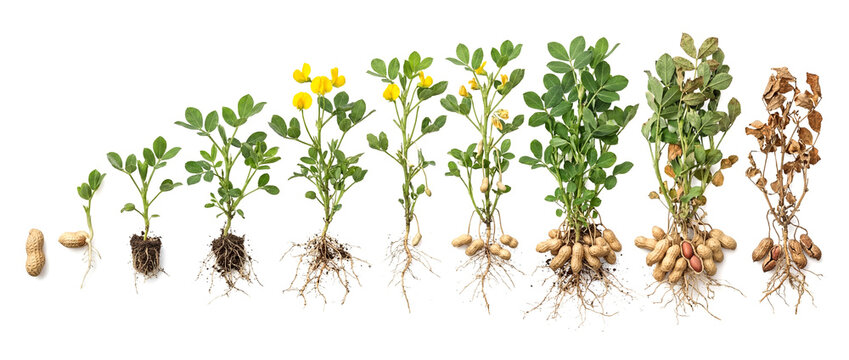
Groundnut — known in many parts of West Africa as peanut — is one of Sierra Leone's most important agricultural crops. It serves a triple purpose: as a rich source of nutrition, a reliable cash crop for farming communities, and one of the most labour-intensive crops per acre, making it a powerful driver of rural employment.
At Kabba Agricultural Enterprise, groundnut production occupies 17 acres of our 52-acre farm in Mamuntha Mayosoh Village, Tonkolili District. Our groundnut programme is designed to maximise both yield and community employment — with 150 mandays of labour required for cup-planting alone.
Why Groundnut Matters for Sierra Leone
In a country where rice dominates the diet, groundnut plays a critical complementary role. Rice is calorie-dense but relatively low in protein. Groundnut fills this nutritional gap — it is one of the most protein-rich plant foods available, containing approximately 25–30% protein by weight, along with healthy fats, B vitamins, iron, and zinc.
For farming families, groundnut is also a dependable source of income. Unlike rice, which is primarily consumed domestically, groundnut has both local demand and regional market potential. Farmers can sell groundnut to traders, process it into groundnut paste (a dietary staple across West Africa), or extract cooking oil — each pathway generating income that supports household livelihoods.
Groundnut production also contributes to food security in Sierra Leone by diversifying what the country grows and eats, reducing dependence on a single staple crop.
The Cup-Planting Method
One of the distinguishing features of groundnut farming at Kabba Agricultural Enterprise is our use of the cup-planting method. Unlike rice, which is broadcast (scattered) across prepared land, groundnut requires individual seed placement to ensure proper spacing and optimal germination.
Cup-planting is a labour-intensive manual process. Workers use a cup measure to place a precise quantity of seed into each planting hole across the 17-acre plot. Our programme uses 4,200 cups of groundnut seed per season, and the cup-planting process alone requires 150 mandays of labour — all performed by members of the local indigenous community.
This method creates significantly more employment per acre than mechanised alternatives. While mechanisation has its place in land preparation, the cup-planting approach ensures that the economic benefits of groundnut farming flow directly to the people who live and work on the land.
Our Groundnut Farming Process
Groundnut production at Kabba Agricultural Enterprise follows the same structured farming process as our other crops:
Land Preparation (April – May) — Tractor-assisted clearing and ploughing creates the seedbed. Proper land preparation is essential for groundnut, as the crop requires well-drained, loose soil for the pods to develop underground.
Cup-Planting (June – July) — Community workers plant 4,200 cups of seed across 17 acres using the manual cup-planting method, creating 150 mandays of employment.
Weeding (August) — Manual weeding removes competing plants that would reduce groundnut yield and quality.
Harvesting (November – December) — Groundnut is harvested by pulling entire plants from the soil. The pods are then separated, dried, and prepared for bagging.
Bagging and Transport — Dried groundnut is bagged and transported to local and regional markets for sale.
Economic and Community Impact
Groundnut is arguably the most employment-intensive crop in our portfolio. The 150 mandays of cup-planting labour, combined with weeding, harvesting, and post-harvest processing, means that groundnut farming creates more paid work per acre than either rice or pigeon pea.
This employment is not abstract — it is direct, hands-on work performed by indigenous community members in Tonkolili District. The wages earned during planting and harvesting seasons circulate through local markets, supporting families, education, and healthcare access in communities that depend on seasonal agricultural income.
As agriculture supports the Sierra Leone economy, groundnut stands out as a crop where commercial viability and community development go hand in hand.
Groundnut in Sierra Leone's Agricultural Future
The Sierra Leone government and international development partners have recognised groundnut as a priority crop for both food security and income generation. Investment in improved seed varieties, pest management, and post-harvest storage can significantly increase yields and reduce losses.
At Kabba Agricultural Enterprise, groundnut production is part of a deliberate three-crop strategy — alongside rice and pigeon pea — that balances food production, income generation, employment creation, and soil health. As the agricultural development sector in Sierra Leone continues to grow, groundnut will remain one of the best crops to grow for farmers seeking both nutritional and economic returns.