Why Tonkolili District Is Central to Sierra Leone's Agricultural Future
Tonkolili District, located in the Northern Province of Sierra Leone, is one of the country's largest and most agriculturally productive districts. Covering approximately 7,003 square kilometres, the district is home to vast stretches of fertile lowland and upland terrain ideally suited for crop cultivation.
The district's capital is Magburaka, and its rural chiefdoms — including the areas around Mamuntha Mayosoh Village — have been centres of agricultural activity for generations. The combination of adequate annual rainfall, rich alluvial soils, and a farming tradition rooted in community makes Tonkolili a natural hub for large-scale agriculture in Sierra Leone.
Crops Grown in Tonkolili District
Tonkolili's climate and soil conditions support a diverse range of crops. The most significant include:
Rice — Both upland and lowland rice varieties thrive in Tonkolili. The district is one of Sierra Leone's key rice-producing areas, with ongoing efforts to increase yields through improved seed varieties and modern farming techniques.
Groundnut — Widely cultivated across the district, groundnut serves as both a cash crop and a vital source of protein and cooking oil for local communities.
Pigeon Pea and Other Legumes — Increasingly recognised for their nutritional value and soil-enriching properties, legumes are becoming a more prominent part of Tonkolili's agricultural output.
Vegetables and Root Crops — Cassava, sweet potato, and various vegetables are grown for local consumption and regional markets.
Kabba Agricultural Enterprise in Tonkolili
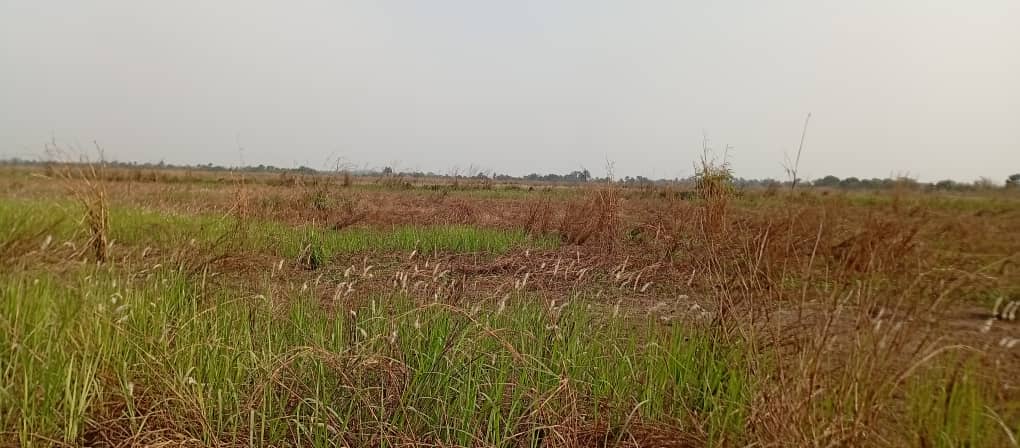
Kabba Agricultural Enterprise operates 52 acres of farmland in Mamuntha Mayosoh Village, Tonkolili District. The enterprise grows three staple crops — rice (Rock 34 Hybrid), groundnut, and Cajanus Cajan (pigeon pea) — using a combination of mechanised land preparation and manual labour from the local community.
Under the oversight of the District Agricultural Officer and managed day-to-day by Farm Manager Alusine I. Koroma, the enterprise represents a model for how private agricultural operations can contribute to food security and employment at the district level.
Agricultural Infrastructure and Support
Tonkolili District benefits from the presence of the District Agricultural Office, which provides extension services, coordinates government agricultural programmes, and supports farmers with technical guidance. The district has seen increased investment in rural roads and market access, helping farmers get their produce to buyers more efficiently.
Organisations working in the district have invested in seed multiplication programmes, farmer field schools, and post-harvest management training — all of which contribute to improved yields and reduced losses.
Employment and Community Impact
Agriculture is the primary source of employment in Tonkolili District. Operations like Kabba Agricultural Enterprise create hundreds of mandays of labour each farming season, directly benefiting indigenous communities through wages, skills development, and access to food.
The ripple effects of agricultural employment extend beyond the farm — increased income supports local markets, education, and healthcare access in rural communities that have historically been underserved.
Climate and Growing Conditions
Tonkolili District experiences a tropical climate with distinct wet and dry seasons. The rainy season (May to October) provides the rainfall essential for crop growth, while the dry season allows for harvesting, processing, and land preparation. Average annual rainfall in the district is between 2,000 and 2,500mm, which is well-suited for rice and legume cultivation.
Temperatures remain warm year-round, averaging between 25°C and 32°C, creating favourable growing conditions for a wide range of tropical and subtropical crops.