Published 20 March 2026 · By Kabba Agricultural Enterprise
The Sierra Leone government has identified agriculture as a cornerstone of national development. Through the Ministry of Agriculture and Food Security, several programmes and policies have been implemented to increase domestic food production, reduce import dependency, and strengthen rural livelihoods. Understanding these initiatives helps farmers, investors, and development partners align their efforts with national goals.
Ministry of Agriculture and Food Security
The Ministry of Agriculture and Food Security (MAFS) is the primary government body responsible for agricultural policy, regulation, and programme implementation. The ministry oversees everything from seed certification and extension services to agricultural research and food safety standards.
At the district level, the ministry operates through District Agricultural Officers (DAOs) who coordinate local agricultural programmes and support farming communities. Madam Jane Fea Kabba Sei Sillah, the DAO for Tonkolili District, also serves as Strategic Lead for Kabba Agricultural Enterprise — a partnership that ensures our operations align with government agricultural objectives.
National Agricultural Transformation Programme
The National Agricultural Transformation Programme is the government's flagship initiative for modernising Sierra Leone's agricultural sector. Key objectives include:
Increasing agricultural productivity through improved seed varieties, mechanisation, and technical training.
Promoting commercial farming by supporting the transition from subsistence to market-oriented agriculture.
Improving rural infrastructure including roads, storage facilities, and market centres.
Strengthening institutional capacity at national and district levels.
Rice Self-Sufficiency Strategy
Rice is Sierra Leone's most consumed food, yet the country remains heavily dependent on imported rice. The Rice Self-Sufficiency Strategy aims to close this gap through:
Distribution of improved seed varieties (including high-yield hybrids like Rock 34).
Subsidised fertiliser programmes to boost per-acre yields.
Support for mechanised land preparation.
Post-harvest loss reduction through improved storage and processing.
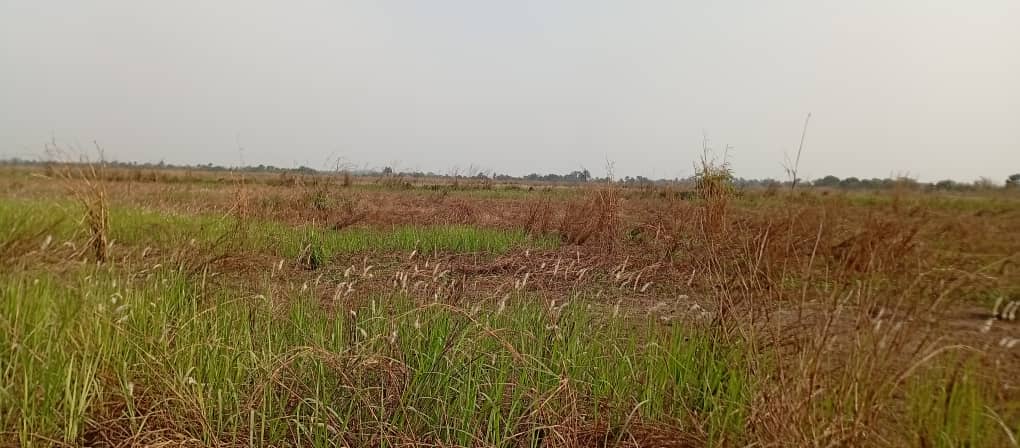
Kabba Agricultural Enterprise contributes to this strategy by cultivating 17 acres of Rock 34 Hybrid rice at commercial scale in Tonkolili District.
Smallholder Commercialisation Programme
Supported by international partners including the World Bank and IFAD, this programme helps smallholder farmers increase their productivity and market engagement. Components include farmer field schools, agricultural business centres, and farmer-based organisations that aggregate production for market access.
Extension Services and Farmer Support
Agricultural extension services provide farmers with technical advice, training, and access to improved farming practices. Extension workers, coordinated by District Agricultural Officers, visit farms, demonstrate new techniques, and help farmers solve production challenges.
These services are particularly valuable for introducing improved seed varieties, teaching integrated pest management, and promoting sustainable farming practices such as crop rotation and legume intercropping.
How Private Enterprise Aligns With Government Goals
Private agricultural enterprises play a critical role in implementing government agricultural policy at the operational level. By investing in commercial-scale production, creating employment, and adopting modern farming techniques, enterprises like ours translate national goals into tangible results on the ground.
Our partnership with the Tonkolili District Agricultural Office ensures that our operations — from land preparation to harvest — meet government standards and contribute to district-level agricultural targets.
Looking Ahead
The Sierra Leone government continues to prioritise agricultural development as a pathway to economic growth, food security, and poverty reduction. For investors, farmers, and development partners, understanding these initiatives provides the context needed to make informed decisions about agricultural engagement in Sierra Leone.
Frequently Asked Questions
What is the Sierra Leone Ministry of Agriculture?
The Ministry of Agriculture and Food Security (MAFS) is the government body responsible for agricultural policy, regulation, and development programmes in Sierra Leone. It operates through district-level offices led by District Agricultural Officers.
Does the government support rice farming in Sierra Leone?
Yes. The government has a Rice Self-Sufficiency Strategy that includes improved seed distribution, subsidised fertiliser, mechanisation support, and post-harvest infrastructure development.
How can farmers access government agricultural support?
Farmers can access support through their District Agricultural Office, which coordinates extension services, training programmes, and input distribution. Joining farmer-based organisations can also improve access to government programmes.