Published 1 April 2026 · By Kabba Agricultural Enterprise
Food security — the consistent availability of sufficient, safe, and nutritious food — remains one of Sierra Leone's most pressing challenges. Despite having some of the most fertile agricultural land in West Africa, the country continues to rely heavily on imported food, particularly rice. This dependency creates economic vulnerability and leaves communities exposed to global price fluctuations and supply chain disruptions.
Local farming is the most direct and sustainable solution to this problem. This article explores why food security matters, what drives food insecurity in Sierra Leone, and how local agricultural enterprises are making a tangible difference.
Understanding Food Insecurity in Sierra Leone
Food insecurity in Sierra Leone is not primarily caused by a lack of land or unfavourable climate. Rather, it results from structural challenges that prevent the country from fully utilising its agricultural potential:
Production gap: Domestic food production — particularly rice — falls short of national demand, requiring costly imports to fill the gap.
Seasonal vulnerability: The "hunger season" between planting and harvest (typically July to September) sees food prices rise and availability decline, particularly in rural areas.
Nutritional gaps: Even where caloric needs are met, many communities lack dietary diversity, leading to deficiencies in protein, vitamins, and minerals.
Economic access: Many families cannot afford to buy food at market prices, even when food is physically available.
How Local Farming Addresses Food Security
1. Increasing Domestic Food Supply
Every kilogram of food grown locally is a kilogram that does not need to be imported. Large-scale local farming operations increase the total food supply available within the country, helping to stabilise prices and improve physical access to food.
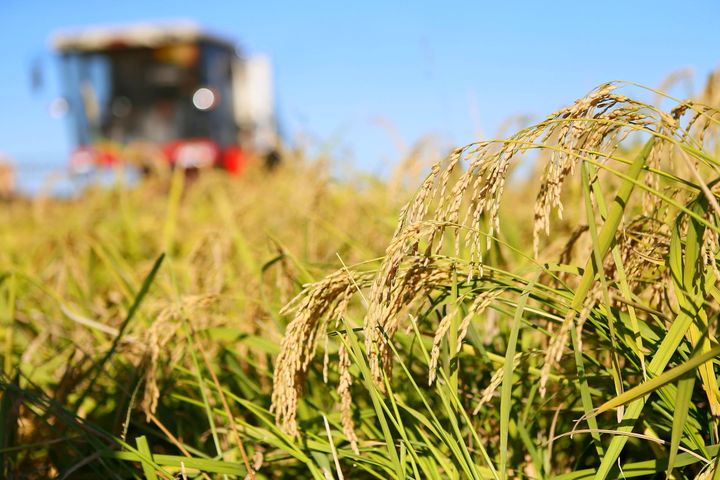
At Kabba Agricultural Enterprise, we cultivate 52 acres of rice, groundnut, and pigeon pea — three crops that together address the caloric, protein, and nutritional needs of local communities.
2. Reducing Import Vulnerability
Relying on imported food makes Sierra Leone vulnerable to global price shocks, shipping disruptions, and currency fluctuations. Domestic production insulates communities from these external risks. When a nation grows its own staple food, it controls its own food security.
3. Improving Nutrition
Crop diversity is essential for nutritional security. Rice provides energy, groundnut provides protein and healthy fats, and pigeon pea delivers essential amino acids and micronutrients. Farming enterprises that grow multiple crops contribute to a more balanced diet for the communities they serve.
4. Creating Economic Access
Farming creates employment and income that enables communities to purchase the food they need. The wages earned through agricultural labour circulate through local economies, improving food access for entire communities — not just those directly employed on the farm.
5. Building Resilience
Communities with strong local food production systems are more resilient to shocks — whether from climate events, global economic disruptions, or public health emergencies. Local food systems can continue to function even when international supply chains are disrupted.
The Role of Agricultural Enterprises
While smallholder farming feeds many families, commercial agricultural enterprises play a different but complementary role. By operating at larger scale with modern techniques, they produce the volumes needed to supply markets, stabilise prices, and reduce national import dependency.
Kabba Agricultural Enterprise contributes to food security through commercial-scale production, local employment, and a sustainable farming model that builds soil health for future seasons. Our alignment with government agricultural objectives ensures our work supports national food security goals.
What More Needs to Be Done
Achieving food security in Sierra Leone requires sustained effort across multiple fronts: increased investment in farming infrastructure, expanded access to improved seeds and fertiliser, better post-harvest storage and processing, stronger market linkages, and continued support for both smallholder and commercial farmers.
The path to food security runs directly through Sierra Leone's farmland. Every acre planted, every crop harvested, every job created brings the country closer to feeding itself.
Frequently Asked Questions
Is Sierra Leone food secure?
Sierra Leone continues to face food security challenges, particularly around rice supply. The country imports significant amounts of rice and experiences seasonal food insecurity, especially in rural districts during the pre-harvest period.
Why is local farming important for food security?
Local farming increases the domestic food supply, reduces vulnerability to import disruptions, creates employment and income, and provides fresh, diverse, nutritious food to communities.
How does Kabba Agricultural Enterprise support food security?
We produce rice, groundnut, and pigeon pea at commercial scale in Tonkolili District, directly contributing to the local food supply while creating employment for the community. Our three-crop approach addresses both caloric and nutritional needs.