Published 15 March 2026 · By Kabba Agricultural Enterprise
Sierra Leone's tropical climate, abundant rainfall, and fertile soils create ideal conditions for growing a wide variety of crops. But not all crops are equal in terms of yield, market demand, nutritional value, and suitability to local conditions. Whether you are a smallholder farmer or considering a larger agricultural investment, understanding which crops perform best in Sierra Leone is essential.
This guide covers the top crops grown in Sierra Leone, drawing on our experience farming 52 acres in Tonkolili District.
1. Rice — The Nation's Staple
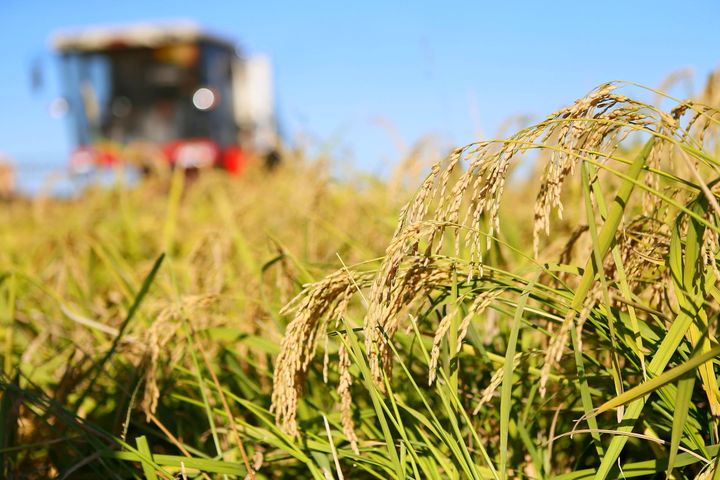
Rice is Sierra Leone's most important food crop. It is consumed daily by the vast majority of the population, making it the highest-demand crop in the country. Despite this, domestic production falls short of national needs, creating a significant import gap.
Why grow it: Guaranteed market demand. Rice production directly reduces national import dependency and is a government priority sector.
Best varieties: Rock 34 Hybrid, NERICA varieties, and local upland varieties each suit different terrain types.
Growing conditions: Both upland and lowland (swamp) rice cultivation are practised. Lowland rice generally yields more per acre. Planting occurs in June-July, with harvesting in November.
At Kabba Agricultural Enterprise, we cultivate 17 acres of Rock 34 Hybrid rice, selected for its high yield and resilience.
2. Groundnut (Peanut) — Income and Nutrition
Groundnut is both a cash crop and a critical source of protein and cooking oil. It is widely consumed across Sierra Leone and has strong market demand domestically.
Why grow it: Dual-purpose crop — generates income at market while providing nutritious food. Labour-intensive cultivation creates significant rural employment.
Growing conditions: Groundnut thrives in well-drained sandy loam soils. It is cup-planted by hand, requiring careful spacing. Our 17-acre groundnut programme uses 4,200 cups of seed and employs 150 mandays of labour per season.
3. Cajanus Cajan (Pigeon Pea) — The Soil Builder
Pigeon pea is gaining recognition in Sierra Leone for its nutritional value and agricultural benefits. As a legume, it fixes nitrogen in the soil, improving fertility for subsequent crop rotations.
Why grow it: Nutritious food, soil improvement, and relatively low input costs make pigeon pea an excellent choice for sustainable farming systems.
Growing conditions: Drought-tolerant and adaptable to various soil types. Cup-planted, with a growing cycle that fits well alongside rice and groundnut.
4. Cassava — The Resilient Crop
Cassava is one of the most widely grown crops in Sierra Leone, valued for its resilience, low input requirements, and versatility as a food source. It can be processed into garri, fufu, and flour.
Why grow it: Extremely drought-resistant and grows in poor soils where other crops struggle. Good food security crop for marginal lands.
5. Palm Oil — Cash Crop Potential
Oil palm is native to Sierra Leone and palm oil production is a significant economic activity. The crop provides both cooking oil for domestic use and a valuable export commodity.
Why grow it: Long-term investment — oil palms produce fruit for 25+ years once established. Strong domestic and export demand.
6. Sweet Potato and Vegetables
Sweet potato is an important food security crop, particularly in rural areas. Vegetable farming (peppers, tomatoes, leafy greens) can be highly profitable near urban markets.
Why grow them: Short growing cycles, high nutritional value, and strong market demand in urban centres.
Choosing the Right Crops
The best crop choice depends on your soil type, access to water, labour availability, market proximity, and investment capacity. Many successful farms in Sierra Leone — including ours — grow multiple crops to diversify income and reduce risk.
Learn more about our farming process or contact us to discuss agricultural opportunities in Tonkolili District.
Frequently Asked Questions
What is the most profitable crop in Sierra Leone?
Rice and groundnut are among the most profitable due to high domestic demand. Palm oil also offers strong returns as a long-term cash crop. Profitability depends on scale, location, and market access.
When is the best time to plant crops in Sierra Leone?
The main planting season is June to July, coinciding with the rainy season. Land preparation begins in April-May. Harvesting typically occurs November-December.
Can you grow crops year-round in Sierra Leone?
Sierra Leone has distinct wet and dry seasons. Most field crops are grown during the rainy season (May-November). However, lowland and irrigated areas can support dry season farming for certain crops.